
Blog
Pay Attention
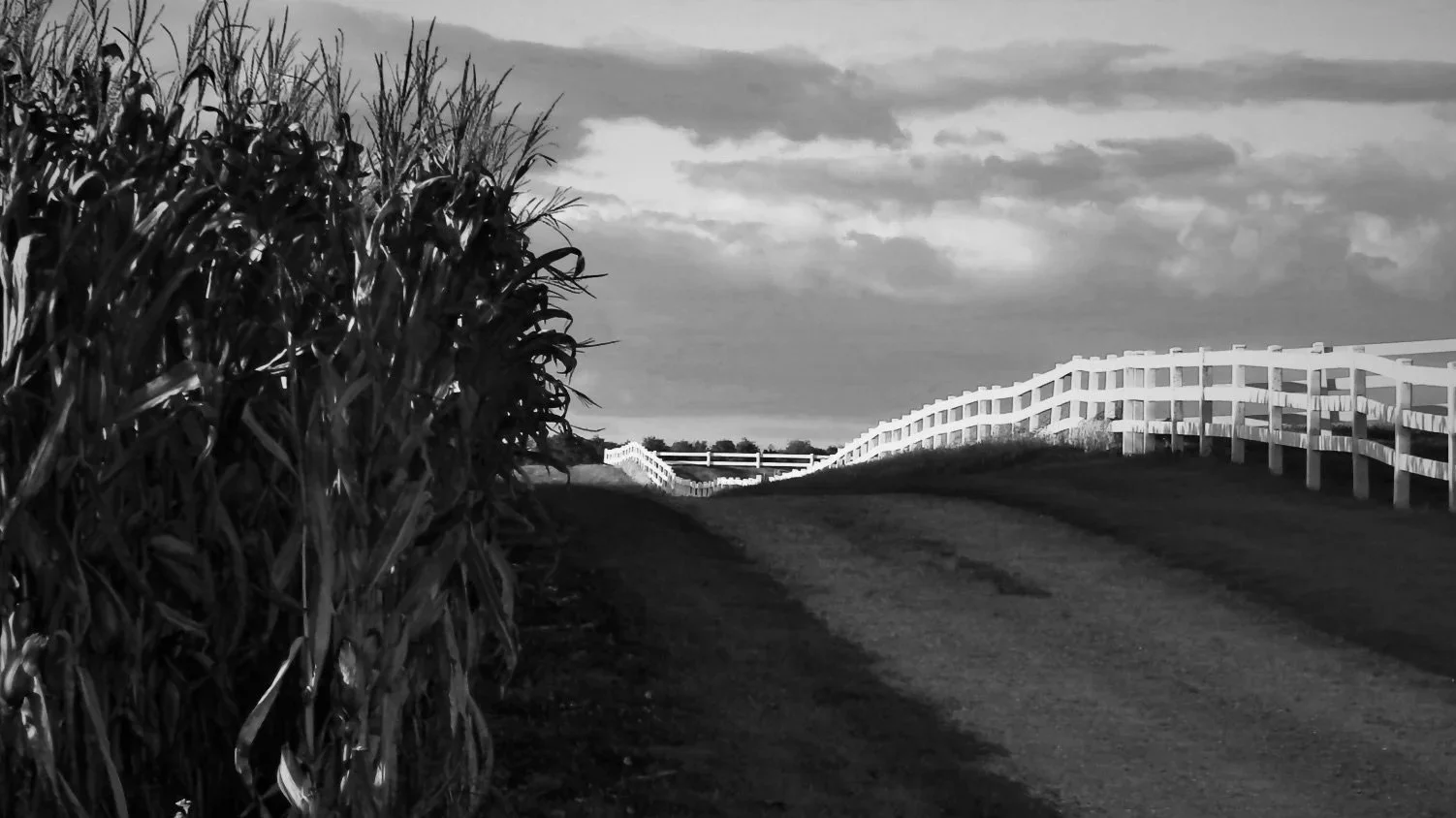
An excerpt from a book in progress, Our Moment Is Now
I grew up in Hershey, Pennsylvania, a place so safe and orderly it sometimes felt shrink-wrapped. People called it The Sweetest Place on Earth, and in many ways, it lived up to the name. Streets were clean. Schools were well-resourced. Hospitals were modern and bright. Most families lived somewhere between modest and comfortable. Needs were met. Childhood unfolded predictably.
And yet, even there, something didn’t sit right.
No one I knew had guards, walls, or locks beyond the ordinary.
If there was deep poverty, it stayed mostly out of sight. Still, I caught glimpses. A few classmates came to school in dirty clothes, carrying an odor that marked them before they spoke. I remember how other kids teased them. I remember how that made my stomach tighten. I didn’t yet have language for injustice, but I felt its presence. Something was off. Something wasn’t fair.
Just twenty minutes away, in Harrisburg, I sometimes saw people sleeping on sidewalks. That troubled me deeply. I couldn’t understand how life could be so easy for some and so unforgiving for others. That confusion didn’t go away. It settled in quietly, like a question waiting for words.
My parents married young. My mother was still in high school when she became pregnant with my sister. They were in love and did what people then called “the proper thing.” They married, worked hard, and started a family that eventually grew to five children. I was number two.
Both of them had been raised in steady, church-going homes. They weren’t perfect, but they believed in showing up. In helping out. In making room. That belief shaped our household more than any rule ever could.
Our small hobby farm outside of Hershey became a kind of waystation. Sometimes people who were down on their luck stayed with us for a while. Friends came and went. So did animals. We had a goat, a burro, barn cats, 50 chickens, dogs, sheep, and sometimes ducks, as well as a half dozen cows. Plus, and a big garden that demanded attention whether we felt like giving it or not. On summer nights, the smell of cut grass and manure drifted through open windows, and kids from the neighborhood convened at our house for games like kick-the-can.
I still love watching the old home movies my grandfather filmed. He captured birthday cakes and picnics, church volleyball games, and potlucks. My parents appear young and vibrant, teasing each other while hanging laundry or loading the station wagon. Teenagers from church are everywhere, spilling into our house on Sunday evenings for youth group. Our home was over 120 years old, and my parents were gradually improving it, little by little. My dad would often joke about them killing 42 mice in traps the first night they slept in it. My sister Jodie and I were two and four years old when we first moved there. Jaynee, Jesse, and Justin came in the next five years. It was a two-story with small bedrooms. Downstairs normally felt full. Lots of activity. It was alive.
Looking back, I’m struck by how much generosity lived there despite limited means. We were living pretty close to paycheck to paycheck, but compassion seemed to be my parents’ default setting.
One of our regular family outings took us to a place most families avoided. On Sundays, we visited a halfway house for men recently released from prison. My parents called it “visiting friends.” We sat together, shared food, and listened to stories. As a child, I didn’t think of the men there as criminals. They were people who had made mistakes and were trying to begin again. They joked together and treated us like we mattered. They enjoyed entertaining us kids and making us laugh.
Those visits left an imprint. They taught me early that dignity isn’t earned; it’s extended. Or withheld. And that choice says more about the one who withholds it than the one who receives it.
When I was ten, our family opened its door again, this time to two strangers from the other side of the world. Chinh was twenty-three. His sister, Nhu, was twenty years old. They were Vietnamese refugees, survivors of a war that had dominated the news throughout my childhood.
I remember their arrival clearly. The hesitant smiles. Their several possessions in a plastic bag. They left their country with nothing. The unfamiliar aromas when they cooked. The government had asked families and churches, and other groups to sponsor refugees. My parents didn’t hesitate.
Chinh and Nhu became part of our household. We ate, worked, and played together. Through them, suffering ceased to be abstract. They told stories of poverty, loss, and terror. Of fleeing by boat. Of leaving family behind. I couldn’t fully grasp what they had endured, but I felt the weight of it. Their presence widened my world.
Those months and then years changed me. They planted seeds of empathy and responsibility that would continue to grow long after they moved on. Even then, I sensed something important: comfort carries obligation. Privilege isn’t a prize. It’s a call.
Faith ran quietly through all of this. We prayed before meals and before bed, but prayer also filled the spaces between. I learned to talk to God the way I talked to a friend. Thanking. Questioning. Sometimes arguing. That sense of companionship, of being accompanied even in uncertainty, has stayed with me ever since. But the mystery of it has grown even as a steady faith remains.
Hershey gave me security. But it was the contrast between sweetness and suffering that gave me direction. I didn’t yet know what to do with what I was seeing. I only knew I couldn’t unsee it.
Those early years taught me something essential, even if I couldn’t have put it into words at the time: before you can change anything, you have to pay attention. To people. To systems. To the quiet ways dignity is affirmed or denied. To the stories that don’t make headlines but shape lives all the same.
I carried those lessons forward without realizing it. They traveled with me into my teenage years and beyond, showing up as restlessness, curiosity, and a growing hunger for meaning. I didn’t yet have answers. I only had questions, and a sense that life was asking more of me than comfort alone could provide.
I was learning to pay attention.